How to judge 3D print quality: a checklist for the photos and the piece in hand
A good 3D print has even layers, no stray hairs or blobs, a flat base and sharp, clear letters. Here's a checklist to use on product photos before you buy and on the piece when it arrives.
Key takeaways
- A good print: even layers, no stray hairs, a flat base and sharp letters.
- On pieces with a name, check the letter dots and small openings.
- Fine lines between layers are normal and don't count as a fault.
You can judge 3D print quality by five signs: even, fine layers; a surface with no stray hairs or blobs; a flat base whose corners don't lift; solid walls with no gaps; and sharp letters and details. Every piece printed from filament shows fine lines between layers up close, and that's normal, not a fault.
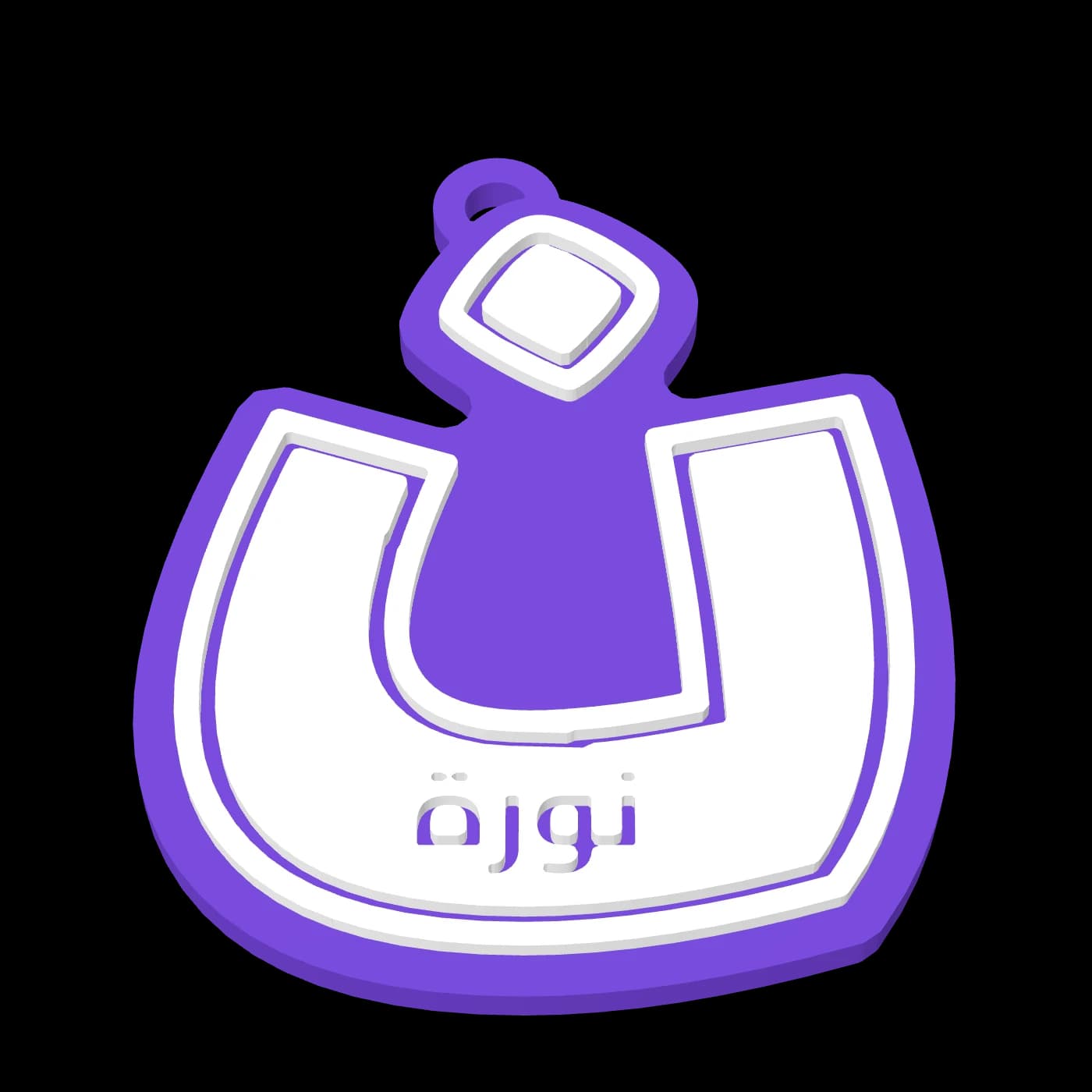
1. Layer lines
A printer builds the piece layer on layer, usually a tenth to three tenths of a millimetre thick. The thinner the layer, the smoother the surface and the longer the print.
- Good: fine, even lines running neatly around the piece.
- Poor: wide, uneven lines, a ripple repeating next to edges like an echo of the shape, or a layer shifted off the one below.
2. Stray hairs and blobs
- Stringing: thin, cobweb-like threads between two parts of the piece. A few pull off easily; lots of them mean wrong settings.
- Blobs and zits: small raised dots on the surface, often where each layer starts. On a good piece they're hidden in a corner or on the back.
3. The base and warping
Put the piece on a flat table. If its corners lift or it rocks, it warped during printing when the plastic cooled too fast. On coasters this matters: a good coaster sits flat and the cup stays steady on it.
4. Gaps and wall strength
- Look at the top surface: it should be closed, with no missing lines or holes showing the pattern underneath.
- Squeeze the piece gently: a good one feels solid and doesn't creak. Very thin walls or an empty inside make it bend or snap quickly.
- The keychain loop in particular should be thick enough and firmly joined to the piece, since it carries the weight every day.
5. Colour
- A single colour should be even across the whole piece, with no faded patches.
- On multi-colour pieces, the borders between colours are clean, with no colour bleeding into another.
- The shade can differ slightly from the photo or between material batches, which Kun's returns policy treats as normal.
6. Support marks
Parts that hang in the air need temporary supports while printing, removed afterwards. On a good piece their spots are clean or sanded, mostly on a side you don't see. A rough, obvious mark on the front is a sign of rushing.
7. Letters and names
This matters most on pieces with a name:
- Letter edges are sharp, not melted or rounded.
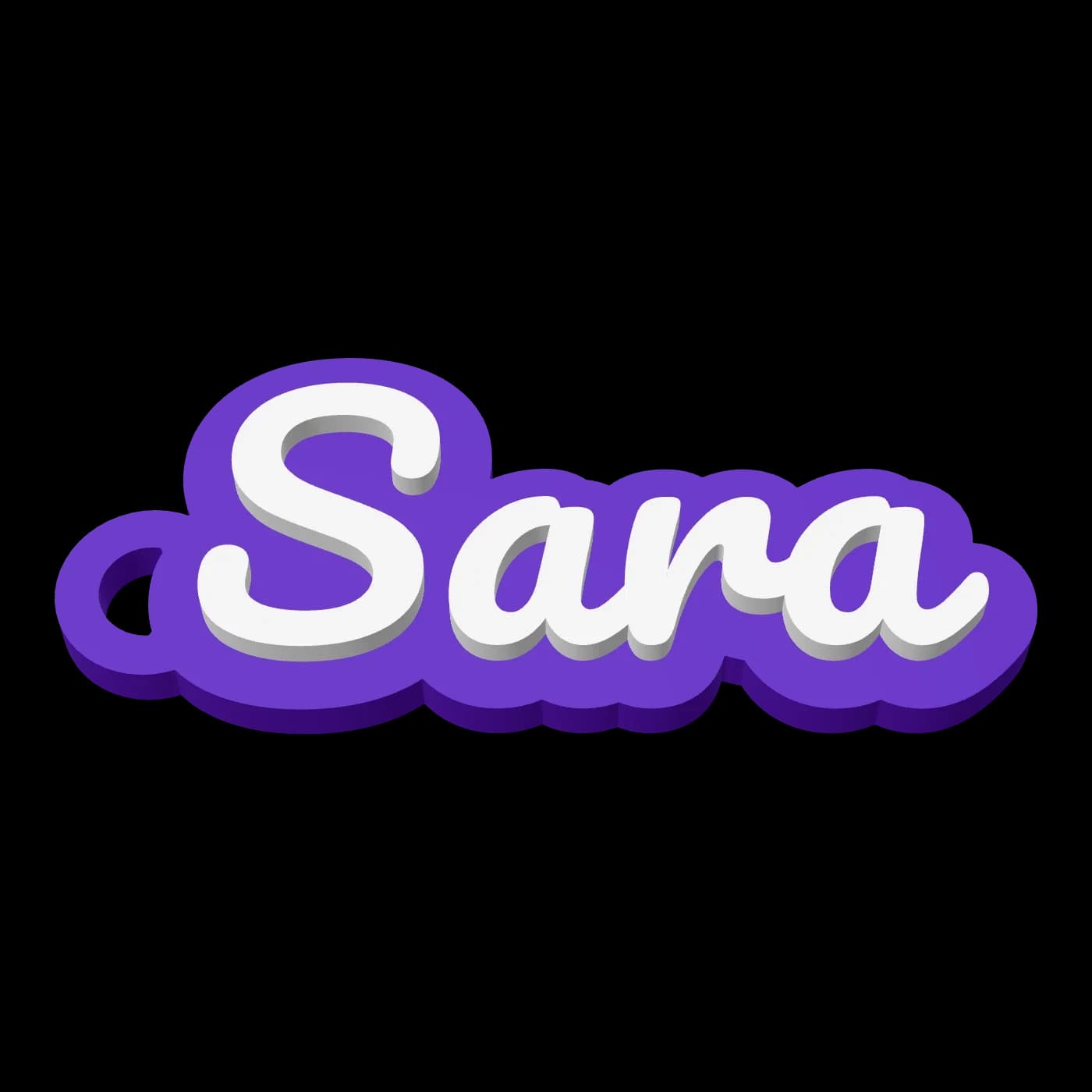
- Small closed letters (in Arabic «ه», «ة», «ص»; in English e, a, o) have visible openings, not filled in.
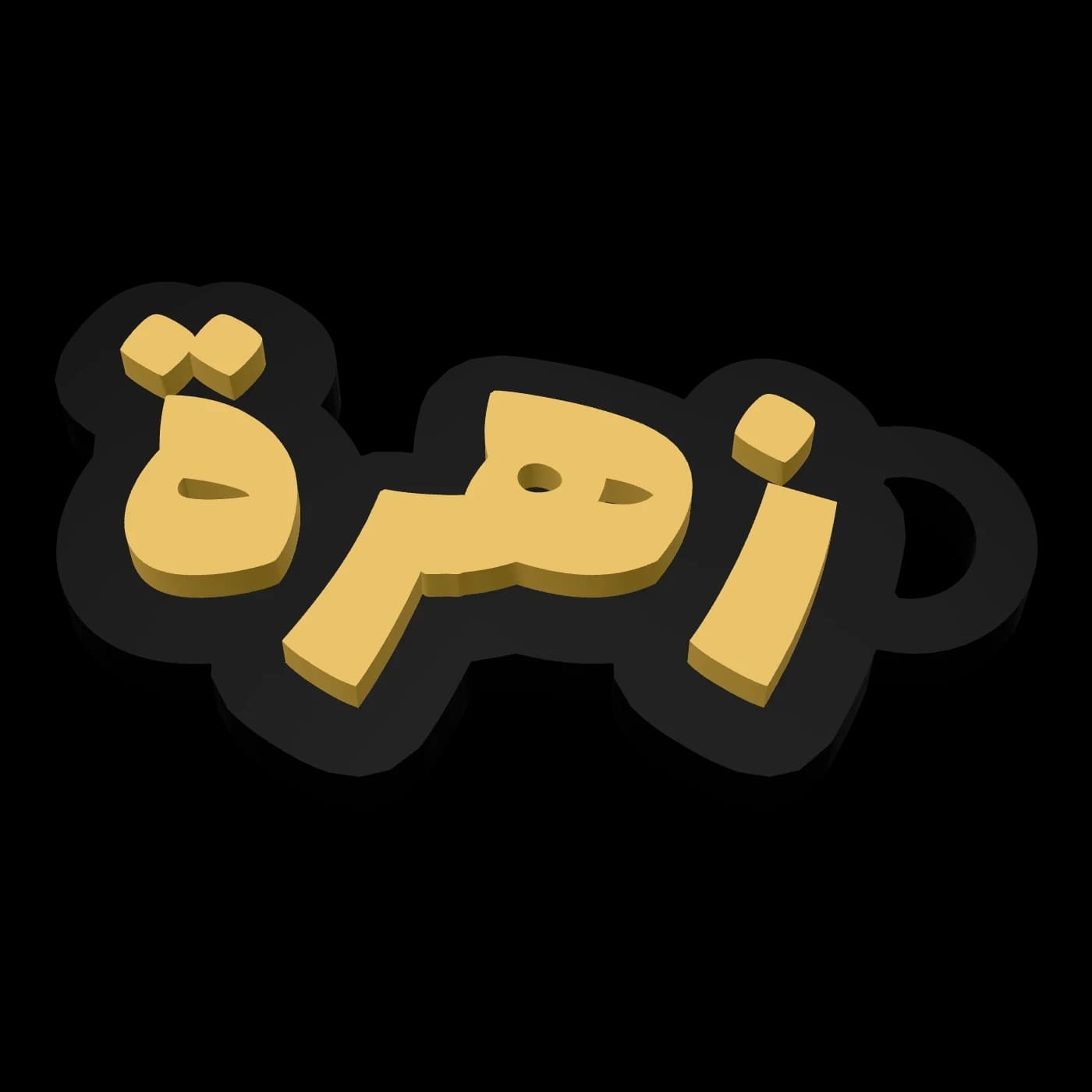
- Every dot of Arabic letters is there and in the right place: dots are the first thing lost when a print is poor or the font is too small.
- Raised or coloured letters read from a normal distance without leaning in.
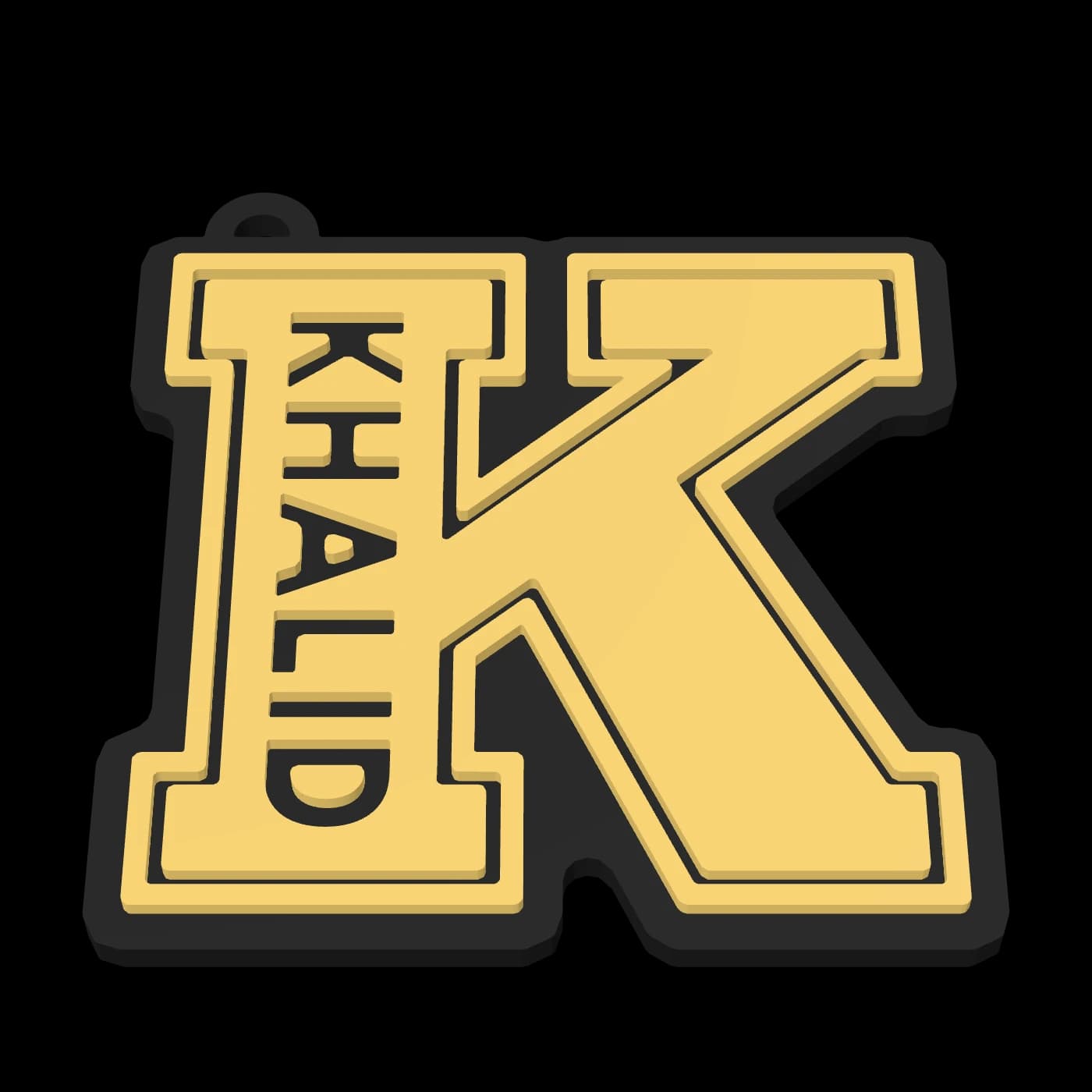
In Kun's designers, like Design Your Name Tag Keychain and the Letter Keychain With Your Name, you see the name in 3D before you order, so you can try another font if the dots or openings look too small.
8. Clickers and moving parts
- Clickers: every key presses with the same feel, gives a clear click and springs back, none stuck or tilted, and the letters on the keys are readable.
- Articulated (flexi) animals: the joints move freely from the first time without needing to be broken loose, and none is fused.
Before you buy: reading product photos
- Tell a real photo from a preview: a 3D preview shows the piece's shape and colours; a real photo shows the surface and the layer lines. Both are useful, but each tells you something different.
- Zoom in on edges and small letters.
- Check whether the seller states the material and the size.
- Remember that lighting and your phone screen shift colours a little.
Checklist when the piece arrives
- Even layers, no ripples and no shifted layer.
- No hairs or raised dots on the front.
- The base sits flat on the table.
- The top surface is closed and the walls feel solid.
- Letters are sharp, dots are there and small openings are open.
- Keys and joints move as they should.
- The piece matches your order: the name, the colours and the options.
If you find a problem
If your piece arrives broken, faulty or different from your order, contact us quickly with photos of the problem; details are in the FAQ. Fine lines between layers and small differences in colour shade or size are the nature of 3D printing and don't count as faults. To see how we watch for these points while printing, read How Kun prints your pieces.
Frequently asked questions
How can I tell a 3D print is high quality?
Even, fine layers, a surface with no stray hairs or blobs, a flat base, solid walls, and sharp letters and clear details.
Are layer lines a fault?
No. Every piece printed from filament shows fine lines between layers up close. Faults are ripples, a shifted layer or wide, uneven lines.
What should I check on a name keychain?
Sharp letter edges, every Arabic letter dot in place, open gaps in small letters like «ه» and «ة», and a thick loop firmly joined to the piece.
What if my piece arrives faulty?
Contact us quickly with photos of the problem. A faulty piece, or one different from your order, is handled under the returns policy.
Products in this guide
- NewPrint on demand
- NewPrint on demand
Related guides
- Buying guideHow to prepare your file for 3D printing: size, walls and lettering
Before you send your file for printing: export it as STL or 3MF in millimetres, check the size, keep walls and letters thick enough and give it a flat base. This checklist helps your piece come out the way you picture it the first time.
- Buying guideHow Kun prints your pieces: from the 3D preview to your door
Kun is a Saudi store that 3D prints every piece itself. You design the piece and see it in 3D before you order, we print it in PLA in the colours you chose, and ship it across Saudi Arabia and to the GCC.
- Buying guideWhat are flexi keychains? Articulated 3D printed animals
Flexi keychains are small 3D printed animals with joints that move between their parts, also called articulated keychains. Hang one on your keys or play with it at your desk.
- Buying guideFidget toys: 3D printed toys to keep your hands busy
A fidget toy is a small toy that keeps your hands busy while you think or wait. We print a fidget star that expands and folds back and keyboard-style clickers, and our flexi animals are coming back soon.